
About Diamonds
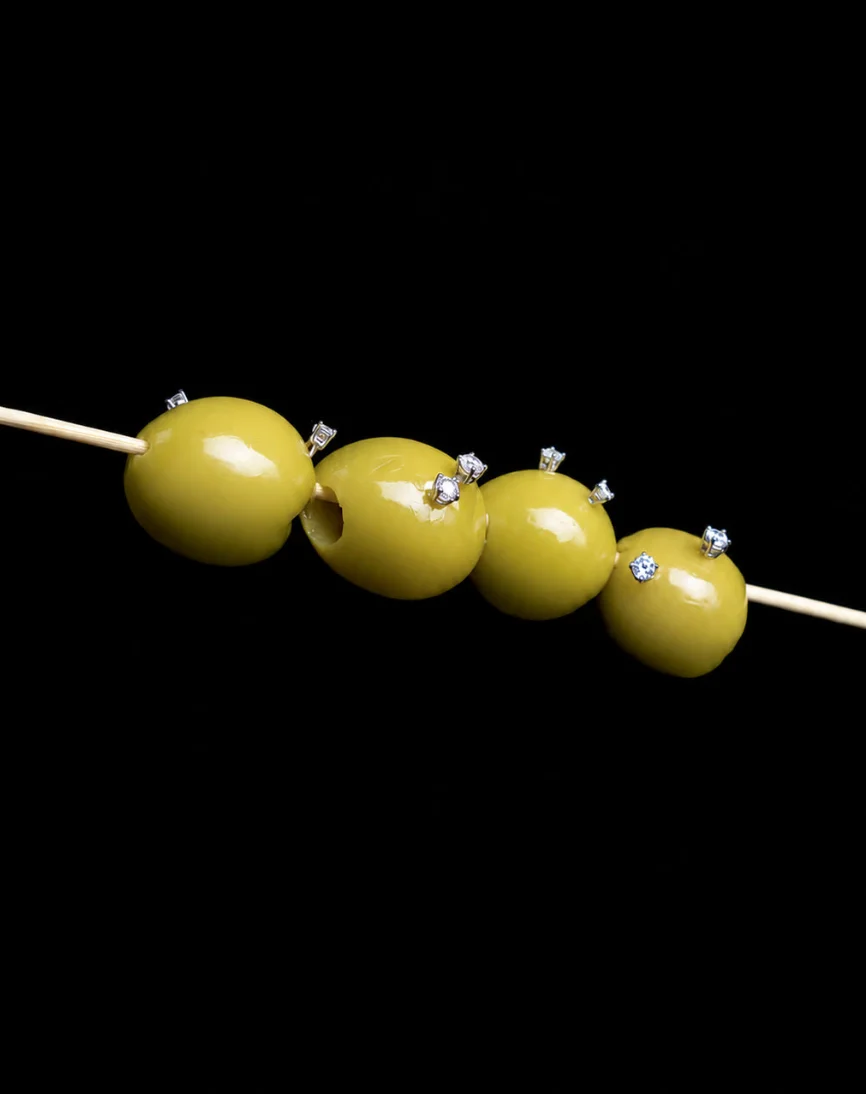
When choosing a centre stone, there's no single right answer. Some are drawn to the brilliance and tradition of diamonds. Others prefer the richness and individuality of coloured gemstones. Whether you choose natural or lab-grown, colourless or bold, your stone should feel personal, something that reflects your story. This guide breaks down the differences so you can make a choice that feels just right.
Natural and Lab-Grown
Diamonds are known for their strength, clarity, and unmatched sparkle. Both natural and lab-grown diamonds have the same chemical and physical structure, meaning they are equally durable and beautiful. The difference lies in their origin.
Natural diamonds are formed beneath the earth's surface over millions of years. Their rarity and natural history make them a traditional and meaningful choice. Lab-grown diamonds are created in advanced facilities that replicate the same conditions found in nature, offering the same brilliance and longevity, often at a more accessible price point.
Every diamond we offer, whether natural or lab-grown, is carefully selected for its beauty, proportions, and quality.
HPHT: HIGH PRESSURE, HIGH TEMPERATURE
This method uses high pressure and heat to turn carbon into a diamond, just like what happens deep beneath the Earth's surface.
CVD: CHEMICAL VAPOUR DEPOSITION
This technique starts with a thin diamond seed placed in a chamber filled with carbon-rich gas. The gas bonds to the seed, building the diamond layer by layer.
Both methods produce high-quality diamonds that are certified by trusted grading labs.
“Are they both real diamonds?”
Yes. Both natural and lab-grown diamonds are real diamonds. They share the same optical, physical, and chemical properties. The only difference is how they're formed: one deep underground over time, the other in a lab over weeks. Lab-grown diamonds are not imitations like cubic zirconia or moissanite. You can choose either with confidence, knowing you're getting a genuine diamond either way.
The Cs of a Diamond
Choosing a diamond is a personal and meaningful experience. To help you feel confident in your choice, we use the industry-recognised 4Cs: Cut, Colour, Clarity and Carat, and go a step further by including one more: Conscience. Together, they ensure you're not only choosing something beautiful, but something you can feel good about.
Cut
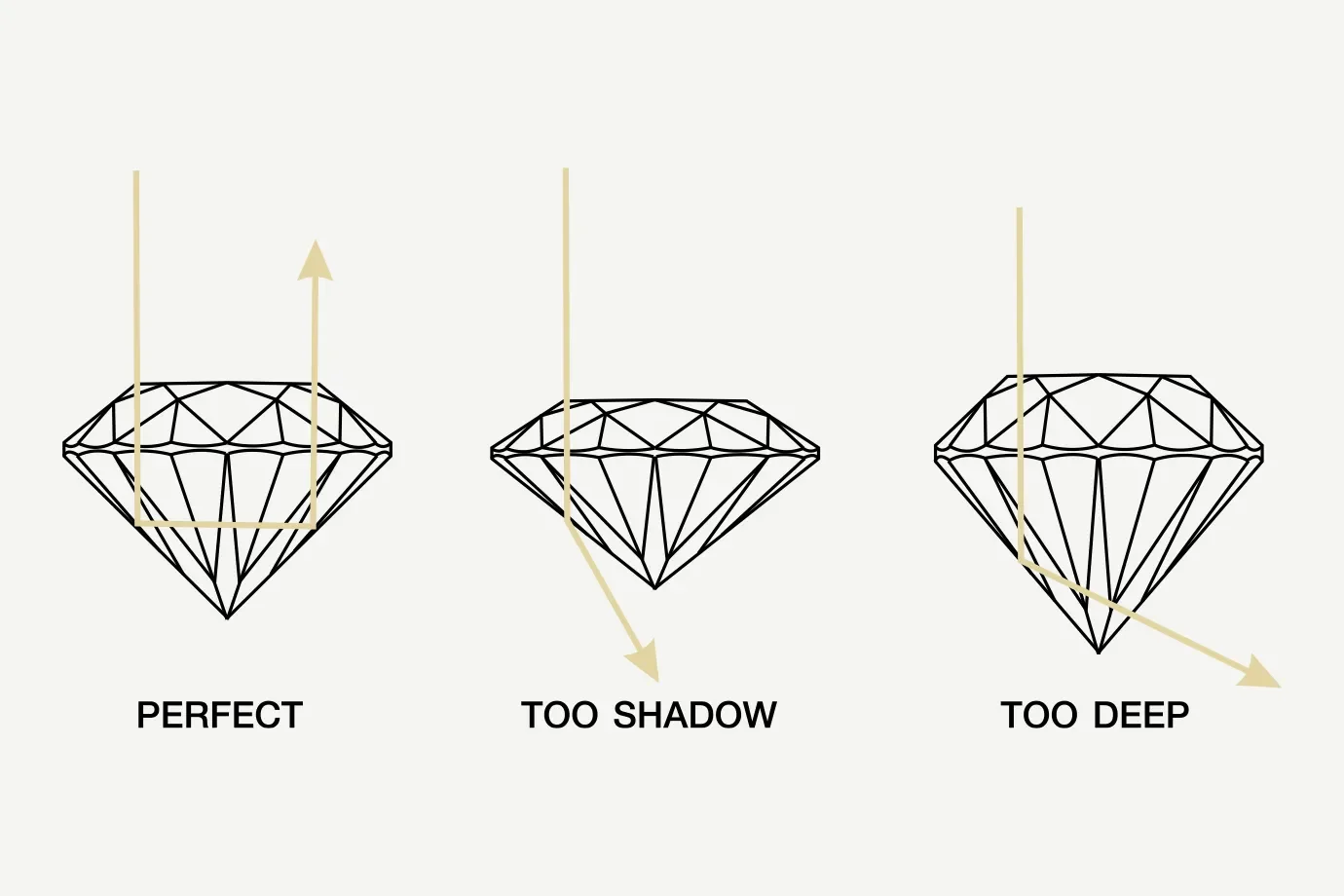
Cut refers to how well a diamond has been shaped and proportioned. It affects how light reflects off the stone, which is what gives a diamond its brilliance and fire.
We focus on diamonds with Excellent to Very Good cut grades that are proportioned for maximum light return and visual impact.
If you’re after sparkle, prioritise cut over carat or clarity.
Colour
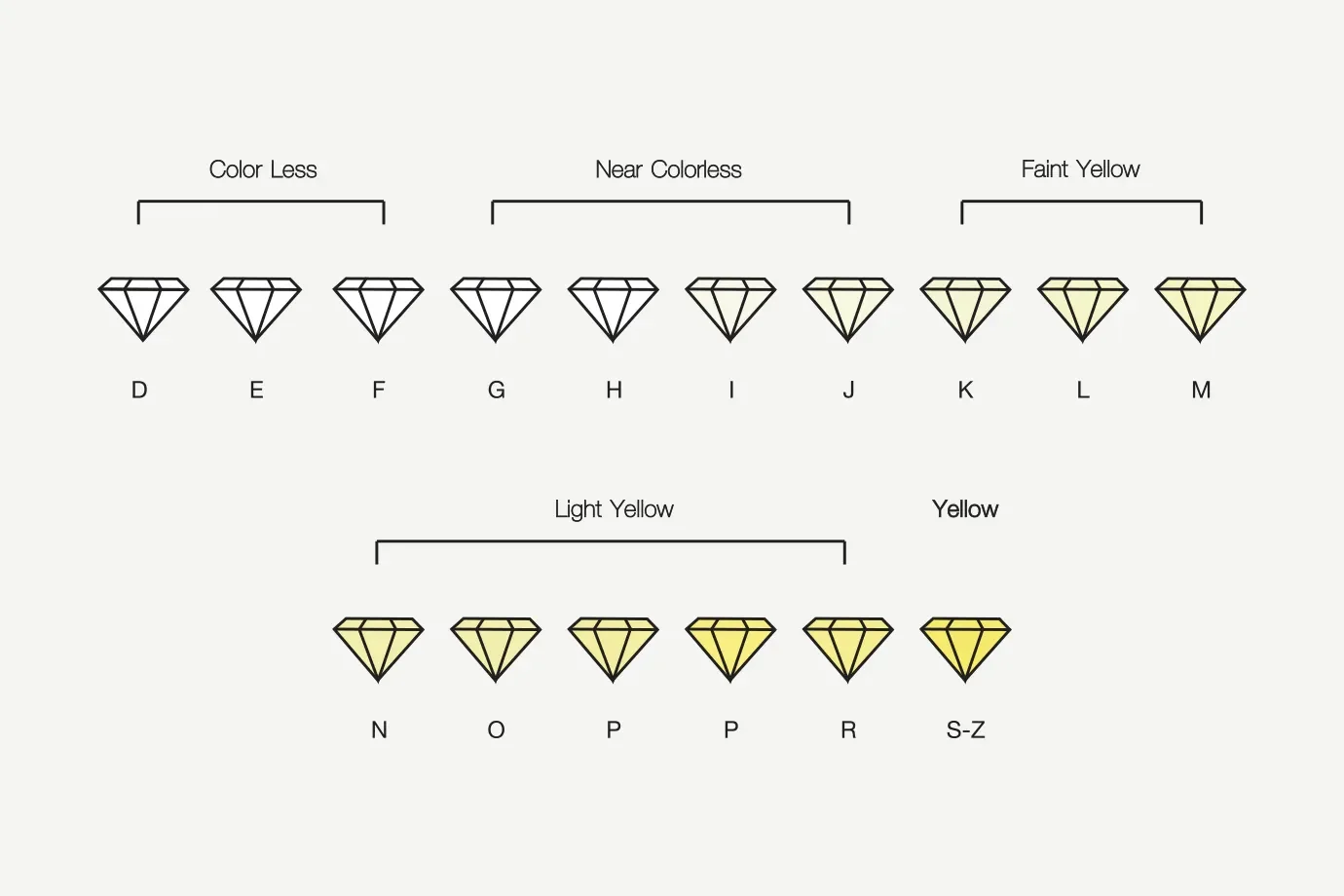
Diamonds are graded on a colour scale from D (colourless) to Z (light yellow or brown). Most diamonds used in engagement rings fall between D and J, with D being the most rare and valuable.
We typically recommend diamonds in the D to F range for a bright, crisp appearance that looks stunning in any metal.
Clarity
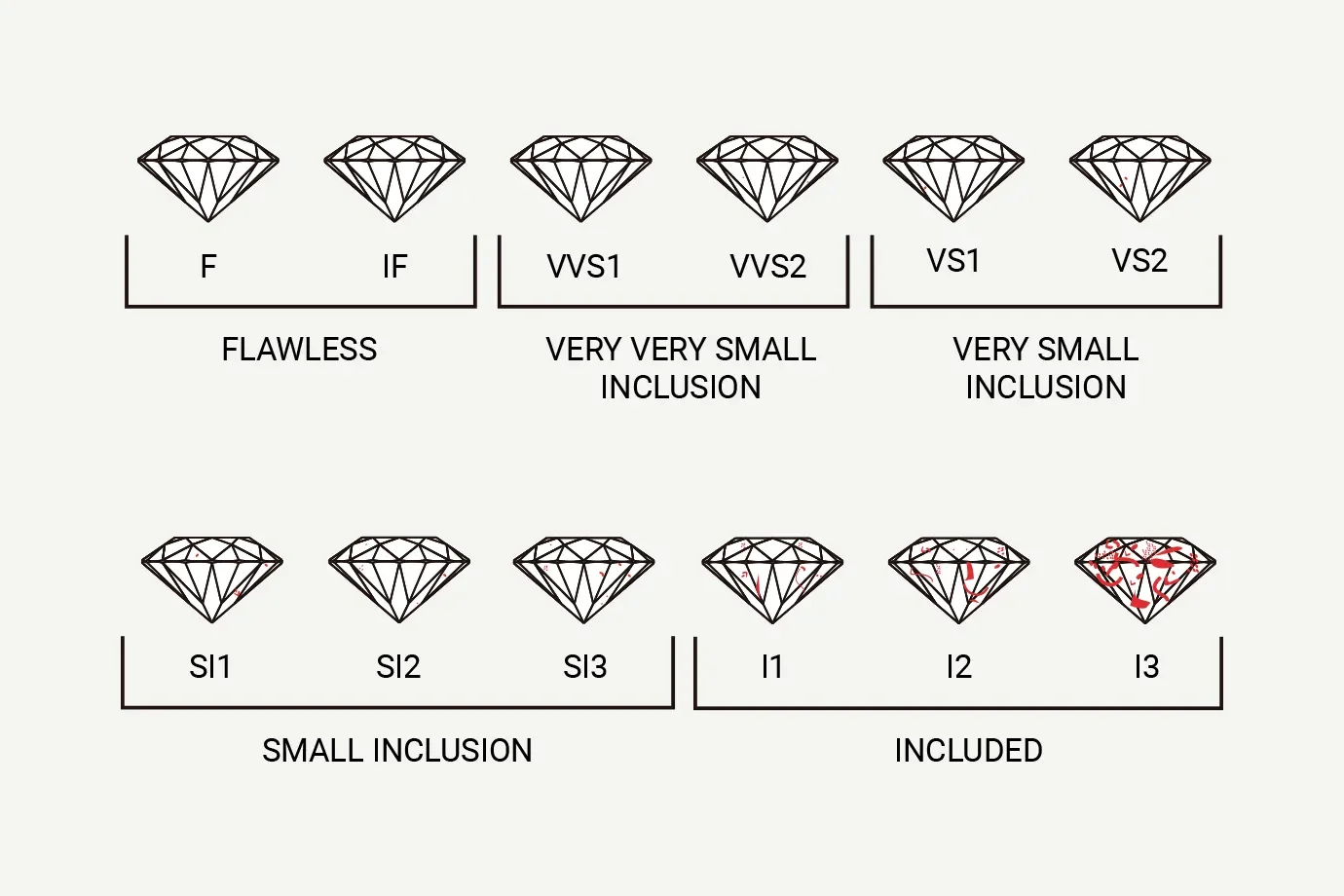
Clarity refers to the small internal or surface flaws in a diamond, called inclusions or blemishes. These are formed naturally and are usually invisible to the naked eye. The scale ranges from Flawless (FL) to Included (I1 to I3).
Most of our clients choose diamonds in the VS (Very Slightly Included) or SI (Slightly Included) range, where inclusions are minimal and not noticeable without magnification. You can often get better value by choosing a lower clarity grade that still looks clean to the eye.
Carat
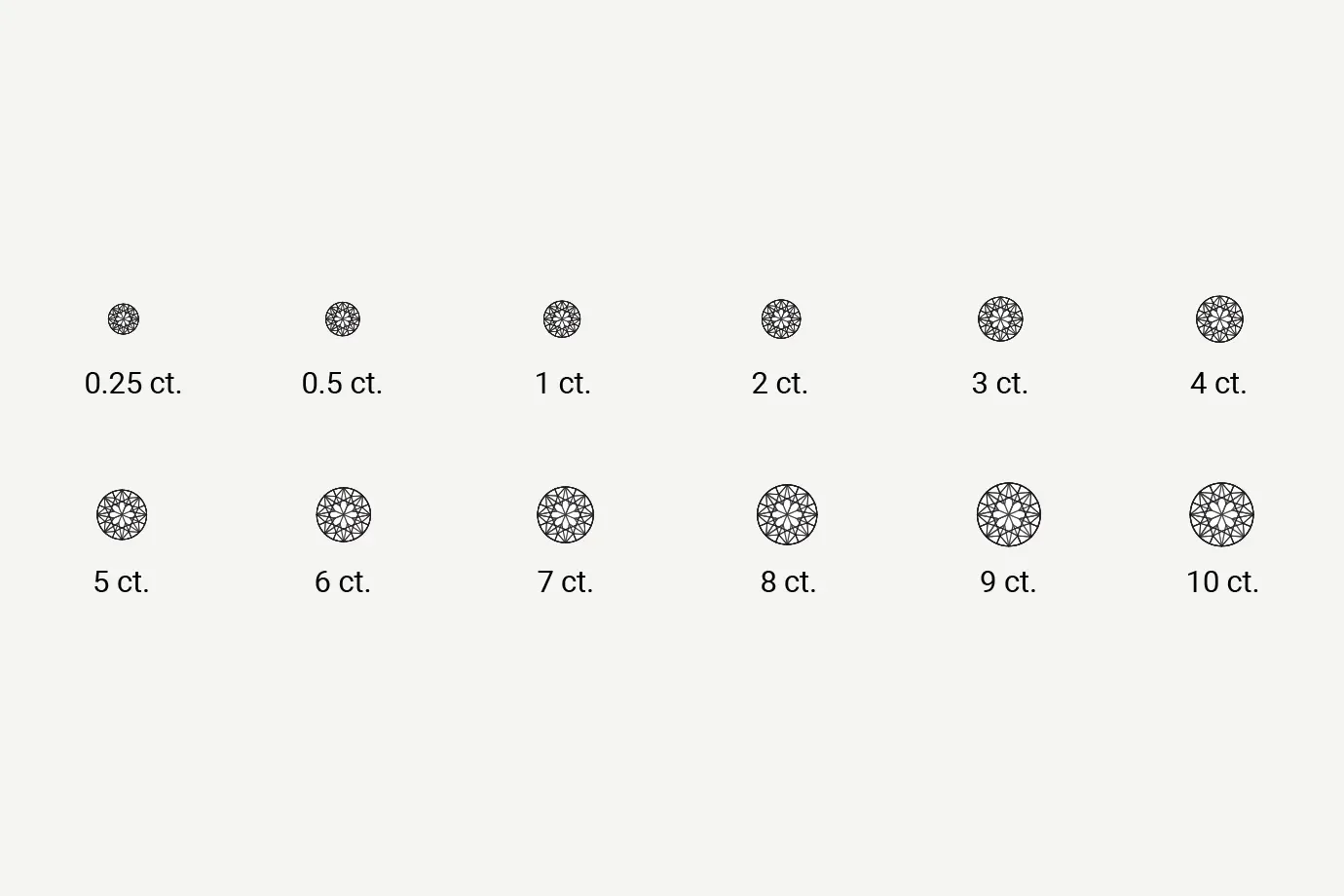
Carat is the unit of weight for a diamond. While a higher carat weight generally means a larger-looking diamond, shape and cut proportions also play a big role in how large a diamond appears.
We help you find the right balance between size, sparkle and budget so you get the most impact for your money.
Conscience
Conscience refers to how responsibly a diamond has been sourced. This includes avoiding conflict zones, supporting fair labour practices, and reducing environmental impact.
We only offer conflict-free natural diamonds from trusted suppliers, and our lab-grown diamonds are an ethical and sustainable choice that never compromises on beauty.
A diamond should reflect your values as much as your style. We make sure it does both.
Diamonds and Gemstones
Gemstones offer a different kind of beauty, defined by colour, uniqueness, and emotion. They have natural variation, character, and often a strong sense of symbolism.
Each gemstone brings something distinctive, often chosen for its personality, connection to a story, or simply because the colour speaks to you.
Weighing Your Priorities
Durability
Diamonds are the hardest gemstone and ideal for everyday wear. Sapphires and rubies are also excellent choices for long-term durability. Some gems, like emeralds, are softer and benefit from extra care.
Style
Diamonds suit almost any setting and offer maximum brilliance. Gemstones bring warmth, individuality, and a touch of artistry to a design.
Budget
Lab-grown diamonds and many gemstones allow greater flexibility in size and quality at a more accessible price.
Meaning
There is no single best option. Choose the stone that aligns with your values, your style, or the message you want your piece to carry.
We believe in helping you find the right fit. Whether you are drawn to a brilliant diamond or a vibrant gemstone, we guide you through the selection process with clarity and care, so your finished piece feels thoughtful, unique, and personal.
Which One Is Right for You?
There’s no “right” answer, just the one that feels right for you.
If you're drawn to...
Rarity, tradition, and the magic of the earth.
If you want...
More flexibility in size or price, and love the idea of modern innovation.
At Gallagher, we're here to help you explore both paths with no pressure, only support.


